
Math. Clarity. Confidence.
We’ll talk about where you or your student is struggling, what they’re working toward, and see if we’re a good fit.

They don't need more math explained the same way.
- Are they doing the homework but still don't understand why it works?
- Is one missing concept making everything that follows harder?
- Are they perfectly capable—but they've started believing they're simply “bad at math.”?

I don't have one way of teaching math.
Every student thinks differently.
That's why I adapt the way I teach to the student in front of me—their class, their teacher, their learning style, their calculator, and most importantly, the way they understand the material.
Find the gap.
Math builds on itself. We identify the underlying concepts causing trouble instead of simply working through tonight's homework.
Make it understandable.
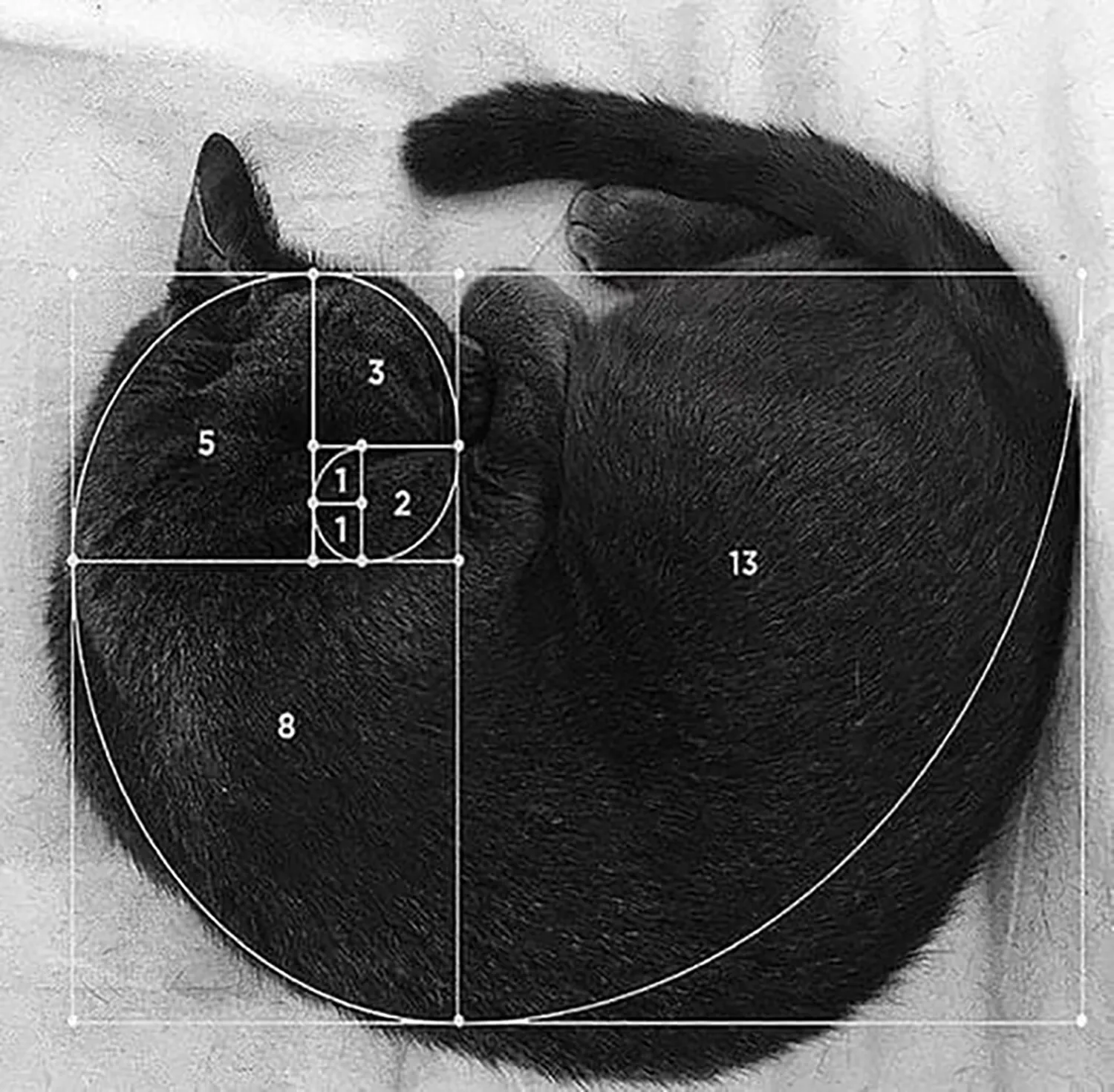
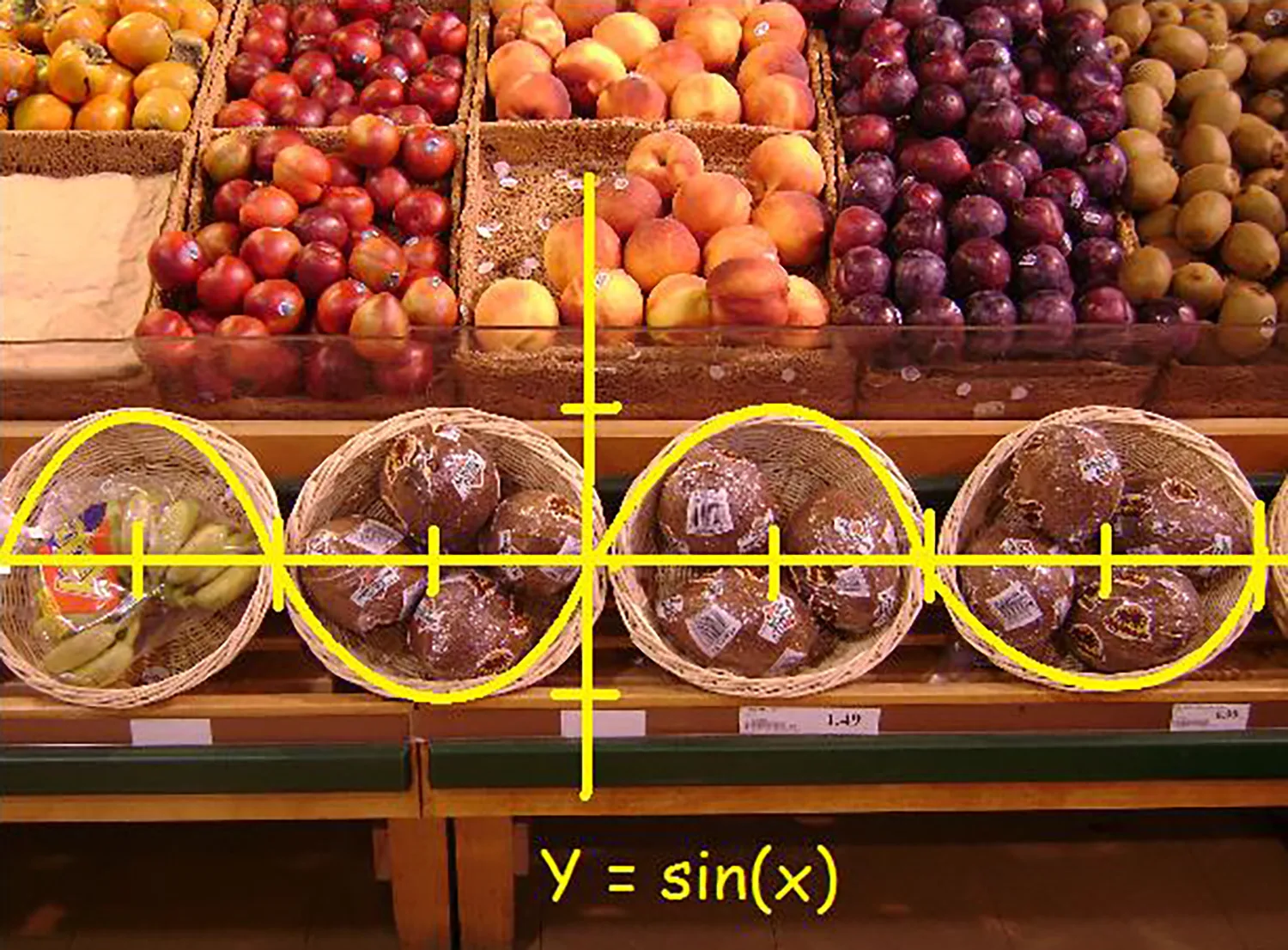
Graphs, patterns, visual models, examples, analogies, and different approaches can turn something abstract into something a student can actually understand.
Build independence.
The goal isn't to make a student dependent on tutoring. It's to give them the understanding and confidence to tackle increasingly difficult math on their own.
Who I work with
Especially effective for students who need a different way into math.
Students who are hard on themselves
A wrong answer shouldn't become “I'm terrible at math.” We'll work on the mathematics without turning every mistake into a judgment.
Students who understand things differently
Sometimes the explanation that works for the rest of the class simply doesn't click. We'll find another way in.
Students with ADHD, autism, or different learning needs
I've worked extensively with students with ADHD, autism, and other learning differences. Every student's needs are different, so we'll discuss what's working, what isn't, and whether my approach is a good fit.
Visual and creative thinkers
Graphs, patterns, relationships, and visual explanations can make abstract concepts much easier to understand.
Students who want to truly understand the material
The objective isn't simply getting through tonight's assignment. It's developing stronger mathematical foundations for what comes next.
From foundations through advanced coursework.
Angles, the unit circle, identities, functions, graph behavior, and the concepts students need as they prepare for Calculus.

Also Available
Pre-Algebra • Geometry • SAT/ACT Math Preparation • Math for Professionals & Skilled TradesMeet Pi
More than 25 years of figuring out how students learn math.I've been tutoring math since the beginning of the millennium, working with students through professional tutoring organizations, SAT preparation programs, learning centers, and decades of private one-on-one instruction.
Over those years, I've learned that being good at math and being good at teaching math are very different things.
My job isn't simply to know the answer.
It's to figure out where a student is getting stuck, understand how they're thinking about the problem, and find the explanation that helps the idea finally connect.
Sometimes that means drawing it.
Sometimes it means asking the right questions.
Sometimes it means applying math to something the student is passionate about: cars, music, sports, food, etc.
Sometimes it means illustrating a concept with a silly story.
Sometimes it means approaching the problem from an entirely different direction.
And sometimes it means reminding a student that getting something wrong doesn't mean there's anything wrong with them.
Math is the subject we're working on.
Helping the student become a stronger, more precise, more confident thinker is the bigger goal.